Get anytime access to our growing collection of classes, workshops, and exclusive content. New items added every month.
San Shi: A deceptively simple beginner form and becomes refined over lifelong practice.
Chen Tai Chi 13 Form awakens fascial elasticity through spiral lines in a compact gateway to Chen mastery.
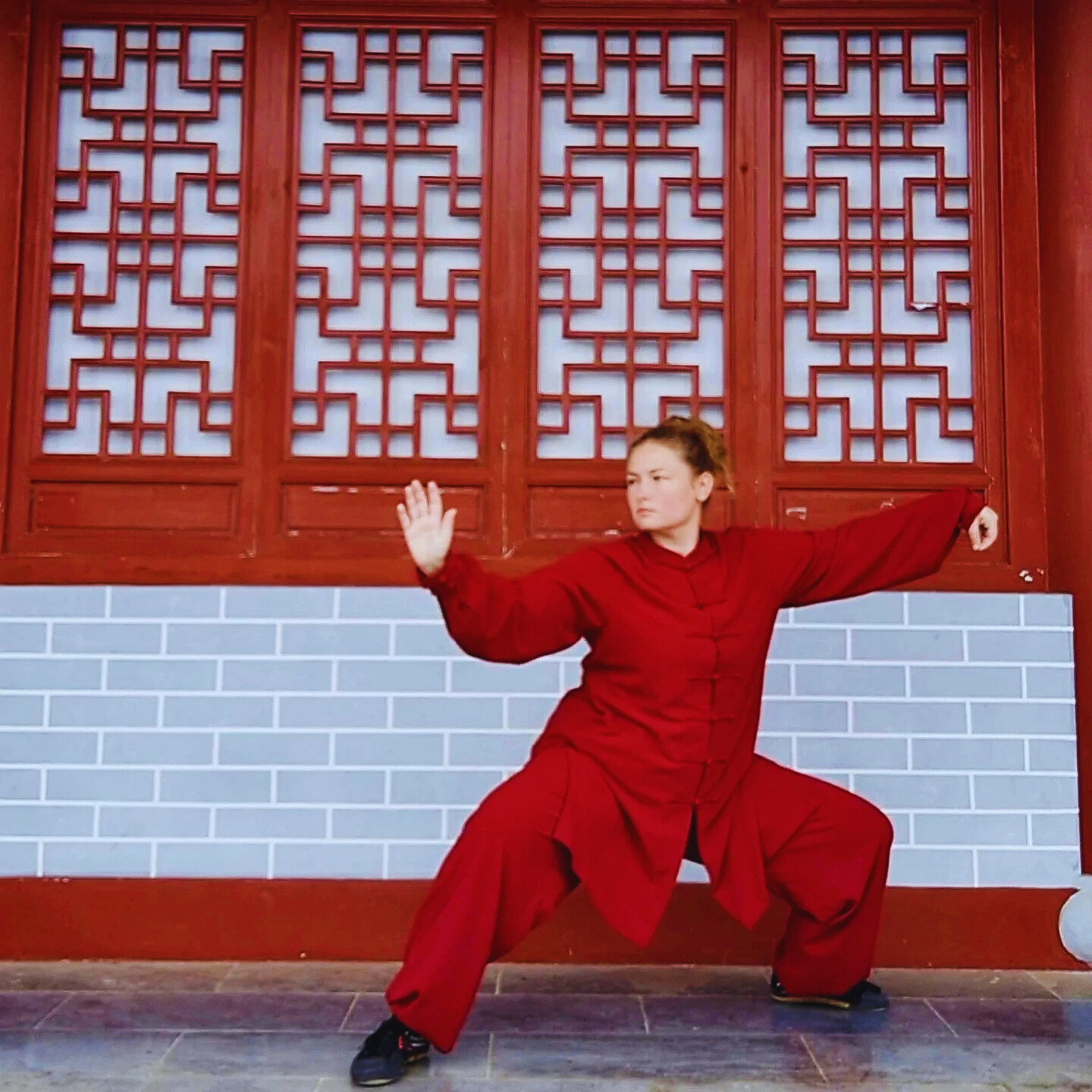
Bafa Wubu form is the beating heart of Chen-style Tai Chi—a poetic name meaning “Eight fists and Five Steps.” Think of it as the foundation stones upon which the entire art is built.
Qi Shi aligns dantian breath with myofascial relaxation unfolding the body , a for poised, proprioceptive start.
Harmonising yin-yang—releasing tension through shoulder rolls, arm extensions, and wrist circles for nervous coherence.
Awaken innate awareness with mindful reach—rooted breath unveiling strength, flexibility, and graceful balance from core to feet.
Full extension mindfully elongates limbs tension-free—precision unlocking physiological and energetic potency.
Horse stance forges endurance—precise adjustments tuning proprioception, myofascial elongation, and core stability for mind-body self-knowing.
Whip-hand unfurls fluid power in Horse Stance—vagal-rooted Qi flow binding stability and softness.
Tai Chi harmonizes Qi via full extensions—softened breath ensuring meridian patency and unhindered circulation.
Tai Chi extensions harmonize Qi meridians—diaphragmatic breath amplifying vitality, clarity, and oxygen exchange.
In Tai Chi (Taijiquan), "Peng" (掤) is one of the most fundamental and important energies (jin, 勁). It’s not just a technique or posture, but an internal quality or dynamic structure that underlies most movements in Tai Chi.
Lu" (掤) is one of the fundamental energy principles or Jin (劲) — it typically translates as "Roll Back" or "Redirecting" energy
Ji" (挤) is the third of the Four Primary Hands (Si Zheng) and is often translated as "Squeeze" or "Press."
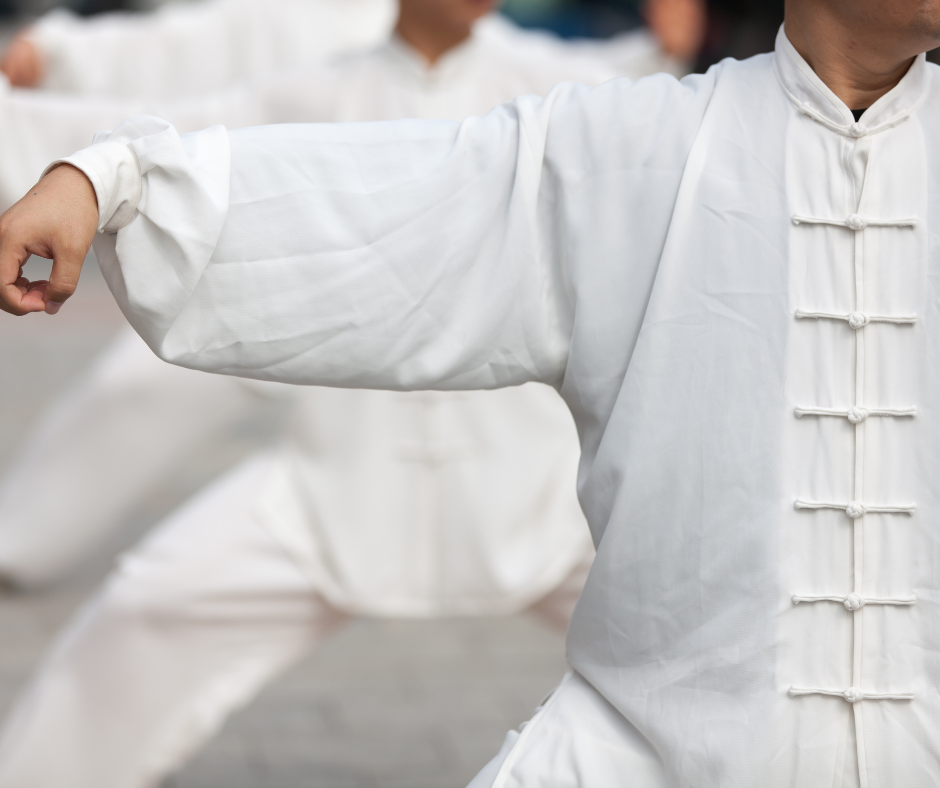
An (按) is the fourth of the Four Primary Hands (Si Zheng) and is usually translated as "Push."
Cai (採) — often translated as "Pluck" — is one of the Four Corner Energies (Si Yu), which complement the Four Primary Hands.
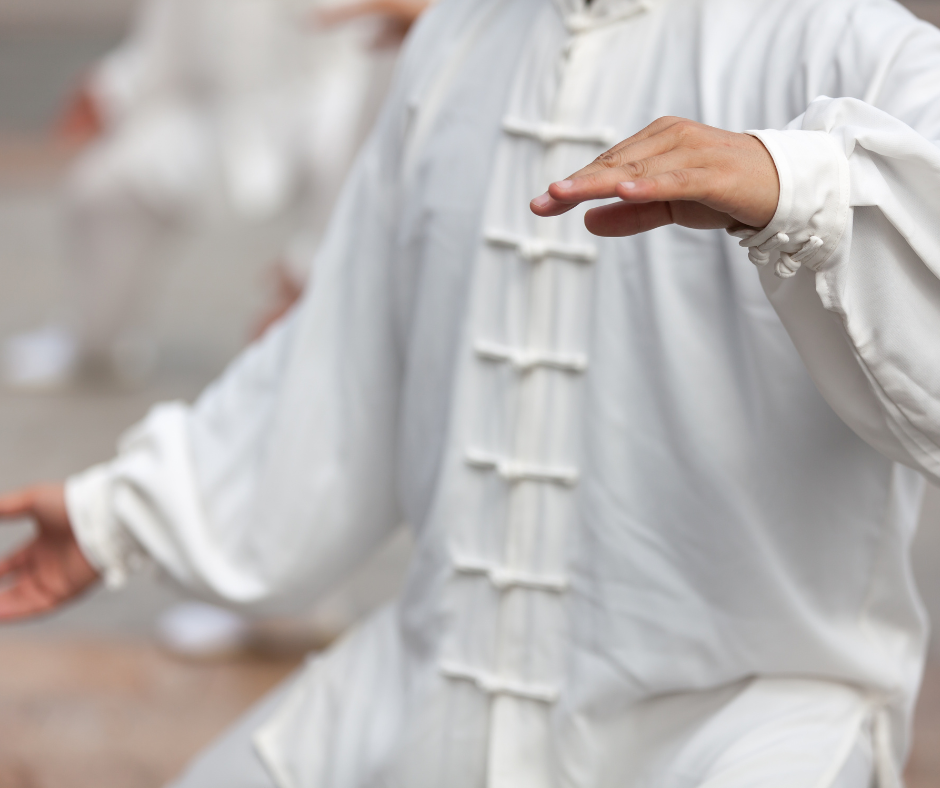
Lie (挒) — often translated as "Split" — is one of the Four Corner Energies (Si Yu). It represents a type of spiral or rotational force that separates or tears energy in two directions.
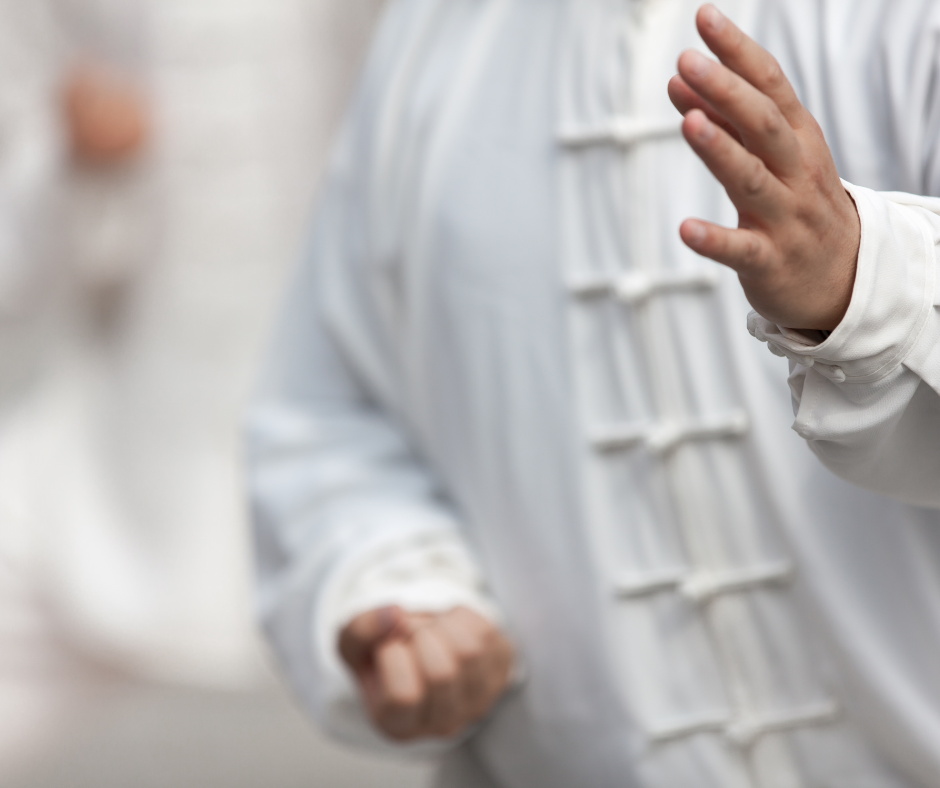
Zhou (肘) — meaning "Elbow" — is one of the Four Corner Energies (Si Yu) and represents the use of the elbow as a striking, neutralizing, or controlling tool in close-quarters combat.
Zhou (肘) — meaning "Elbow" — is one of the Four Corner Energies (Si Yu) and represents the use of the elbow as a striking, neutralizing, or controlling tool in close-quarters combat.
In Tai Chi Wubu (五步) — the Five Steps, which represent fundamental footwork in Tai Chi — Qián Jìn (前進) means "Stepping Forward" or "Advance."
Huí Tuì means stepping or withdrawing backward — not out of fear, but as a strategic, controlled action.
You Pan means to look or be attentive to the right side, both visually and physically.
Zhōng Dìng (中定) is the fifth and central step, often translated as "Central Equilibrium" or "Balanced Center."
Qi Shi calibrates neuromuscular alignment via diaphragmatic breath, and vagal entrainment for posterior chain neutrality.
Lan Zha Yi deploys subtle thoracic rotation and contralateral shift for fascial glide, vagal tone, and parasympathetic calm.