
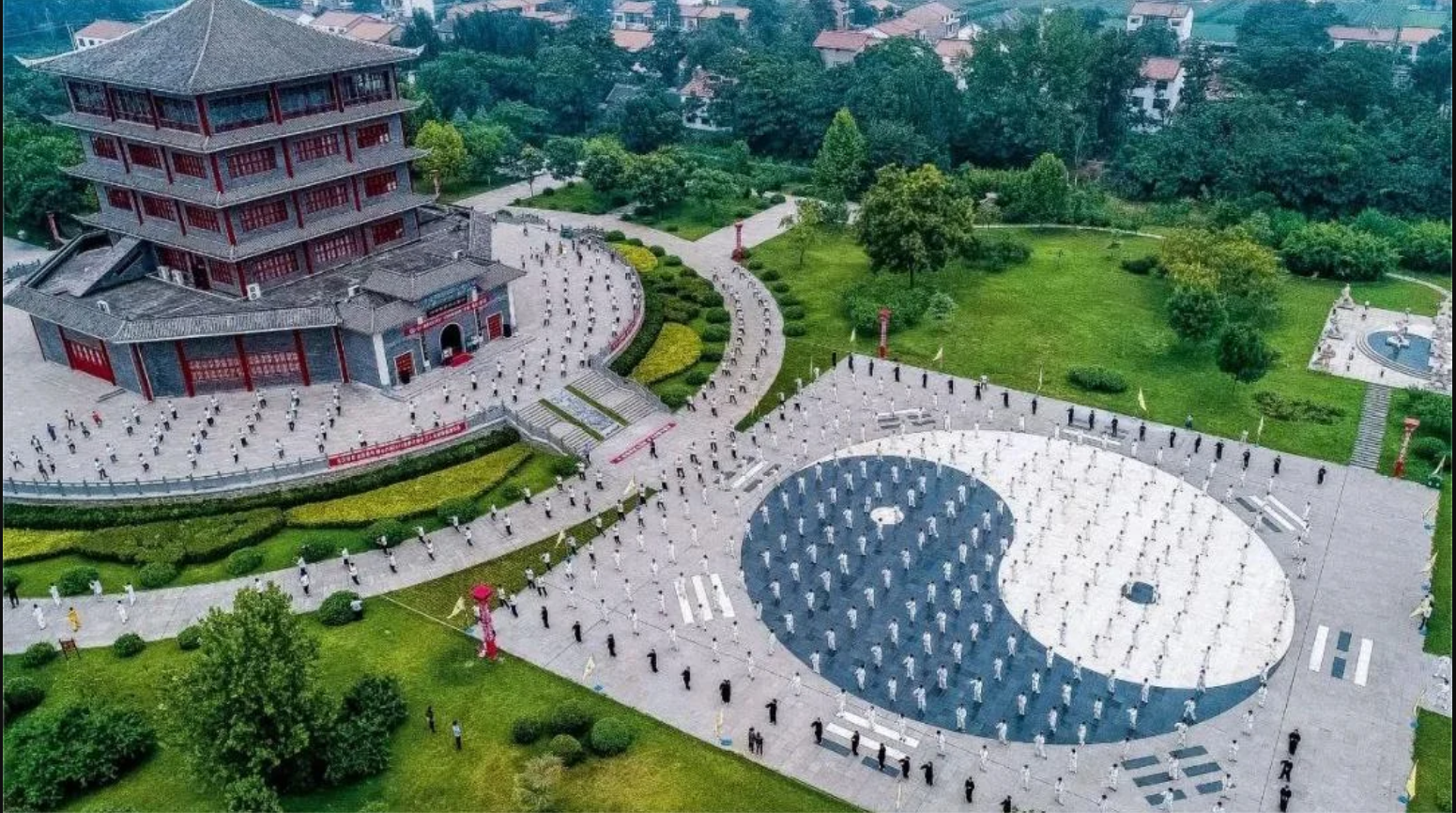
Chinese Martial Arts, Tai Chi and Competition: Why Pressure Testing Is Only the Beginning
When people think about Chinese martial arts, they often picture either graceful forms or fast-paced competition. In reality, kung fu and Tai Chi contain both. They ask the practitioner to test skill under pressure while also developing patience, awareness and refinement over time. Competition can reveal whether training is honest, but it is only one part of a much wider journey.
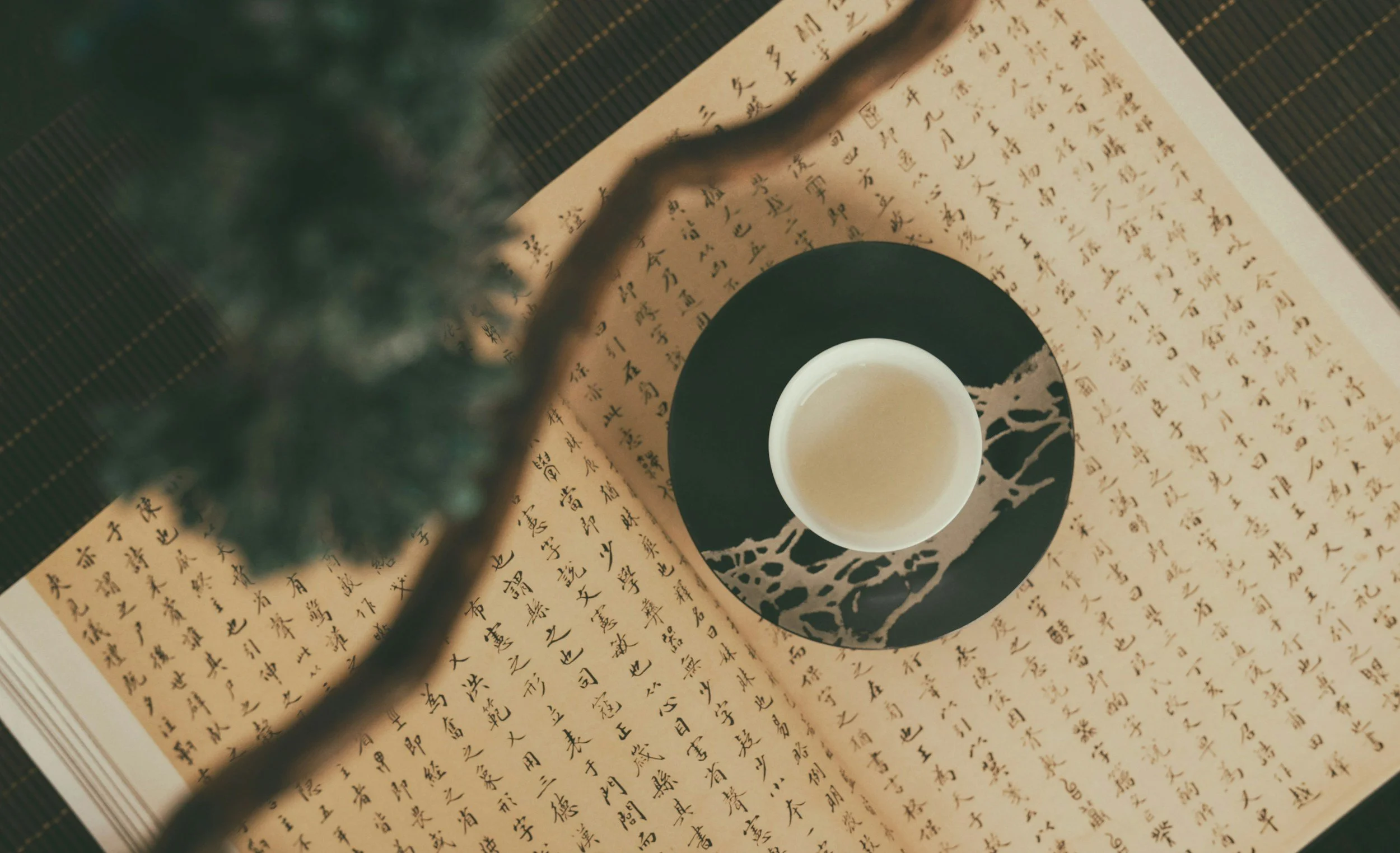
Chinese Language, Tai Chi, Intention and the Brain: How Words Shape Energy, Ideology and Neurological Function
Many people first learn Tai Chi through its visible form: foot placement, weight shifts, hand movements and slow sequences. Yet traditional Tai Chi is also shaped by Chinese language, philosophy, breath, intention and energy. Key terms such as qi, yi, shen, song and dantian are not just vocabulary; they guide how the body and mind experience movement.
This blog explores how Chinese language and cultural ideology shape intention in Tai Chi, and how that intention may influence neurological function. The aim is balanced: respectful of the spiritual language of practice while grounded in modern science around attention, neuroplasticity, breath regulation and embodied cognition

Tai Chi Treatises: Why the Classics Still Matter for Good Tai Chi Training
Many people first come to Tai Chi because they want better balance, calmer breathing, improved posture or a gentler way to exercise. These are all good reasons to begin. However, Tai Chi is more than a sequence of slow movements. Behind the forms are principles that have been passed down through generations in what are often called the Tai Chi treatises or Tai Chi classics.
These writings explain how Tai Chi should be trained, not just what it should look like. They describe qualities such as relaxation, alignment, intention, whole-body connection, continuity, balance and the relationship between stillness and movement. For anyone who wants to develop good Tai Chi training, the treatises are not just historical texts. They are practical guides.

Confucianism, Buddhism and Daoism in Tai Chi: Why Moral Foundations Matter in Martial Arts Training
Tai Chi, also known as Taijiquan, is often described as a gentle exercise for health, balance and relaxation. But traditionally, Tai Chi is also a Chinese martial art with deep cultural roots. Its training is shaped not only by movement, posture and breathing, but also by ideas from Confucianism, Buddhism and Daoism.
These three traditions are sometimes called the Three Teachings. They are not exactly the same, and they should not be blended together as if they all mean one thing. Each offers a different way of understanding character, attention, nature, discipline and compassion. When we bring these ideas into Tai Chi practice, training becomes more than learning a sequence of movements. It becomes a way to develop patience, respect, awareness and self-control.