Chinese Language, Tai Chi, Intention and the Brain: How Words Shape Energy, Ideology and Neurological Function
Many people first learn Tai Chi through its visible form: foot placement, weight shifts, hand movements and slow sequences. Yet traditional Tai Chi is also shaped by Chinese language, philosophy, breath, intention and energy. Key terms such as qi, yi, shen, song and dantian are not just vocabulary; they guide how the body and mind experience movement.
This blog explores how Chinese language and cultural ideology shape intention in Tai Chi, and how that intention may influence neurological function. The aim is balanced: respectful of the spiritual language of practice while grounded in modern science around attention, neuroplasticity, breath regulation and embodied cognition.
The Chinese Language as a Map of Experience
Chinese characters often carry visual, symbolic and relational meaning. While language does not completely control thought, it can shape habitual attention and interpretation. In Tai Chi, this matters because words guide movement. For example, song means more than “relax.” It suggests releasing unnecessary tension while staying alive, connected and responsive.
Ideology: The Philosophy Hidden Inside the Practice
Ideology here means worldview rather than politics. Tai Chi developed within Chinese cultural traditions influenced by Daoist balance, naturalness and non-forcing, along with martial ideas of rootedness, sensitivity and efficiency. These principles shape how practitioners understand strength, softness, effort and awareness.
Yin and yang show that opposites can work together: empty and full, soft and firm, stillness and motion. When students train with this view, they stop forcing the body and learn to harmonise contrasts. Movement becomes calmer, more efficient and more coordinated.
Yi Leads Qi: Intention Before Movement
A central Tai Chi saying is “yi leads qi”: intention leads energy. Yi means directed awareness; qi can be understood spiritually as vital energy and scientifically through breath, circulation, nervous system regulation, proprioception and body awareness. Correct Tai Chi begins with attention before action.
The practitioner intends to sink, expand, soften, align or release, and the body organises around that intention. Over time, this trains movement through awareness rather than excess muscular effort. What tradition calls intention, science may describe as attentional control, motor planning and nervous system modulation.
Neurological Function and the Moving Meditation of Tai Chi
Tai Chi combines slow movement, postural control, breath awareness and sustained attention. Research suggests it may support cognitive and emotional function by engaging systems involved in attention, executive function, sensory awareness, balance and self-regulation.
Neurologically, Tai Chi asks the brain to coordinate posture, weight transfer, breath, memory, internal sensation and calm focus at the same time. This makes it both physical training and mental training.
Creating the Right Energy Through Correct Training
In Tai Chi, “right energy” is calm, rooted, connected and responsive. It appears when posture, breath, awareness and intention work together. Tension, held breath and distraction scatter energy; alignment, natural breathing and presence make movement coherent.
Correct training uses slow repetition, relaxed structure, mindful weight transfer, soft joints and awareness of the dantian. Slowness reveals hidden tension and gives the brain time to refine balance, timing and body awareness.
Breath, Intention and the Autonomic Nervous System
Breath bridges spiritual and scientific language. Traditionally, breath helps move qi and settle the spirit. Physiologically, slow relaxed breathing can influence the autonomic nervous system, supporting calmer regulation of heart rate, stress response and recovery.
Good Tai Chi is not sleepiness or collapse. It is calm alertness: lifted spine, soft joints, clear eyes and steady attention. Spiritually, this harmonises qi and shen; scientifically, it trains the body to stay regulated while awake and responsive.
Chinese Characters, Embodied Meaning and Tai Chi Learning
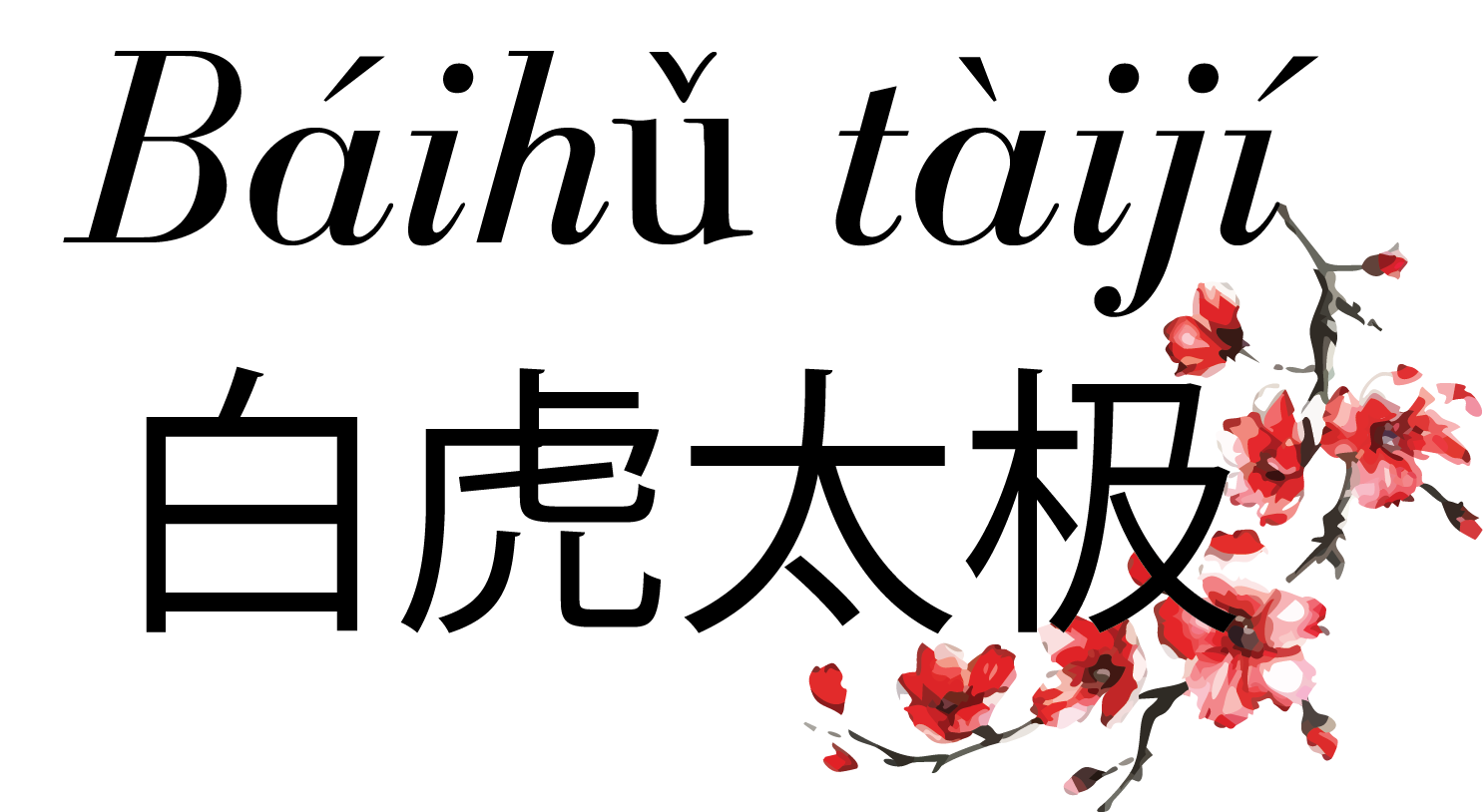
Traditional posture names turn movement into embodied language. “White Crane Spreads Wings” does more than name a shape; it gives the imagination a quality of balance, lightness and expansion. This can support motor learning by engaging imagery, emotion and sensory attention.
White Crane, Crouching Tiger and Dragon: Cultural Images That Teach the Body
White Crane Spreads Wings is a clear example of how Tai Chi names train both body and mind. The crane is associated with longevity, grace, balance and refinement. The posture encourages lightness rising from a rooted base: one arm opens, one settles, and the body expands without strain.
Neurologically, this relates to motor imagery. The brain prepares movement through imagination and attention as well as physical action. Thinking “crane” gives a different instruction than simply “lift the arm,” encouraging soft shoulders, a long spine, an open chest and balanced standing leg.
Crouching Tiger teaches hidden strength, patience and readiness. The tiger image helps the practitioner sink without collapsing: knees soften, hips release, feet root into the ground and the centre of gravity becomes stable. The crouch becomes stored power rather than heaviness.
Dragon imagery teaches spiralling connection and transformation. In Chinese culture, the dragon moves between heaven and earth; in Tai Chi, it suggests whole-body movement through the waist, spine and arms. The body becomes one connected chain rather than separate parts.
Yun Shou, often translated as “Cloud Hands” or “Wave Hands Like Clouds,” adds the image of softness in continuous change. The hands circle like drifting clouds, but the movement should not come from the arms alone. In correct Tai Chi, the waist and dantian guide the turning, the weight shifts smoothly from side to side, and the hands follow as part of one connected body. Culturally, the cloud image teaches movement without harsh edges: no rushing, no stopping, no forcing. Mentally, it trains the practitioner to stay calm while changing direction, allowing intention to create flow, coordination and the right quality of movement.
Together, crane, tiger and dragon show how cultural language becomes embodied intelligence. The crane teaches lightness, the tiger teaches rootedness, and the dragon teaches connected flow. When the image is clear, the mind gives the body better instructions, allowing correct movement to arise from yi, or intention.
These images should be respected rather than exaggerated. If the tiger becomes aggression, the body tenses. If the crane becomes only prettiness, the posture loses structure. If the dragon becomes fantasy, connection is lost. Correct Tai Chi uses imagination disciplined by alignment, breath, balance and awareness.
The Spiritual Dimension: Intention, Ethics and Inner Alignment
The spiritual side of Tai Chi is the quality of consciousness behind movement. Forcing, grasping or competing creates hard, broken movement. Listening, softening and sincerity create movement that feels alive, clear and responsive.
Tai Chi also becomes ethical training: using less force, listening more deeply and responding rather than reacting. The same nervous system that softens the shoulders can learn to pause before emotional reaction.
Practical Guidelines for Training Tai Chi With the Right Intention
· Begin with awareness: Before moving, notice your breath, posture and mental state.
· Use intention, not force: Let the mind guide the movement before the muscles act.
· Practise song: Release unnecessary tension while maintaining structure and alertness.
· Move slowly enough to feel: Slowness helps the brain refine balance, coordination and body awareness.
· Coordinate breath naturally: Avoid forcing the breath; allow it to support calm, steady movement.
· Respect the language: Learn key Chinese terms not as decoration, but as training principles.
· Balance science and spirit: Use anatomy and neuroscience to understand the body, while allowing traditional ideas such as qi and yi to guide inner experience.
Conclusion: Tai Chi as a Language of the Whole Person
Chinese language gives Tai Chi a way of seeing. Through qi, yi, song and shen, students experience the body as intelligent, connected and responsive. Through yin and yang, they learn that softness and strength, stillness and movement, emptiness and fullness are relationships to be harmonised.
Modern neuroscience can help explain why Tai Chi affects attention, balance, emotional regulation and body awareness. Correct practice bridges spiritual insight and scientific understanding: intention changes posture, breath, movement, perception and nervous system state. The right energy is created through clarity, patience and sincere training.
Sources
· Wayne, P. M., Walsh, J. N., Taylor-Piliae, R. E., Wells, R. E., Papp, K. V., Donovan, N. J., & Yeh, G. Y. (2014). Effect of Tai Chi on Cognitive Performance in Older Adults: Systematic Review and Meta-Analysis. Journal of the American Geriatrics Society. Useful for Tai Chi, cognitive performance and brain health.
· Jin, X., Chen, J., & Zhang, X. (2026). Tai Chi Exercise and Neuroplasticity: A Narrative Review According to Neural Mechanisms and Clinical Utilizations in Brain Health. Frontiers in Neuroscience. Useful for Tai Chi, neuroplasticity and nervous system function.
· Yue, F., Chen, N., He, H., Zhang, X., Pan, C., & Yang, H. (2026). Tai Chi, Brain Activity and Psychological Outcomes: A Systematic Scoping Review. Frontiers in Psychology. Useful for Tai Chi, attention, emotional regulation and psychological wellbeing.
· Hurst, A. J., & Boe, S. G. (2022). Imagining the Way Forward: A Review of Contemporary Motor Imagery Theory. Frontiers in Human Neuroscience. Useful for understanding how mental imagery supports movement learning.
· Lucy, J. A. (1997). Linguistic Relativity. Annual Review of Anthropology. Useful for understanding how language can influence thought, attention and cultural meaning.
· Traditional Tai Chi theory. General teachings on qi, yi, song, shen, dantian, yin and yang support the article’s explanation that correct movement is shaped by intention, breath, alignment and inner awareness.